The Free Application for Federal Student Aid (FAFSA) is the first step to applying for financial aid from the U.S. Department of Education. It is important to submit your FAFSA on time to meet application deadlines and receive the full amount of aid available to you.
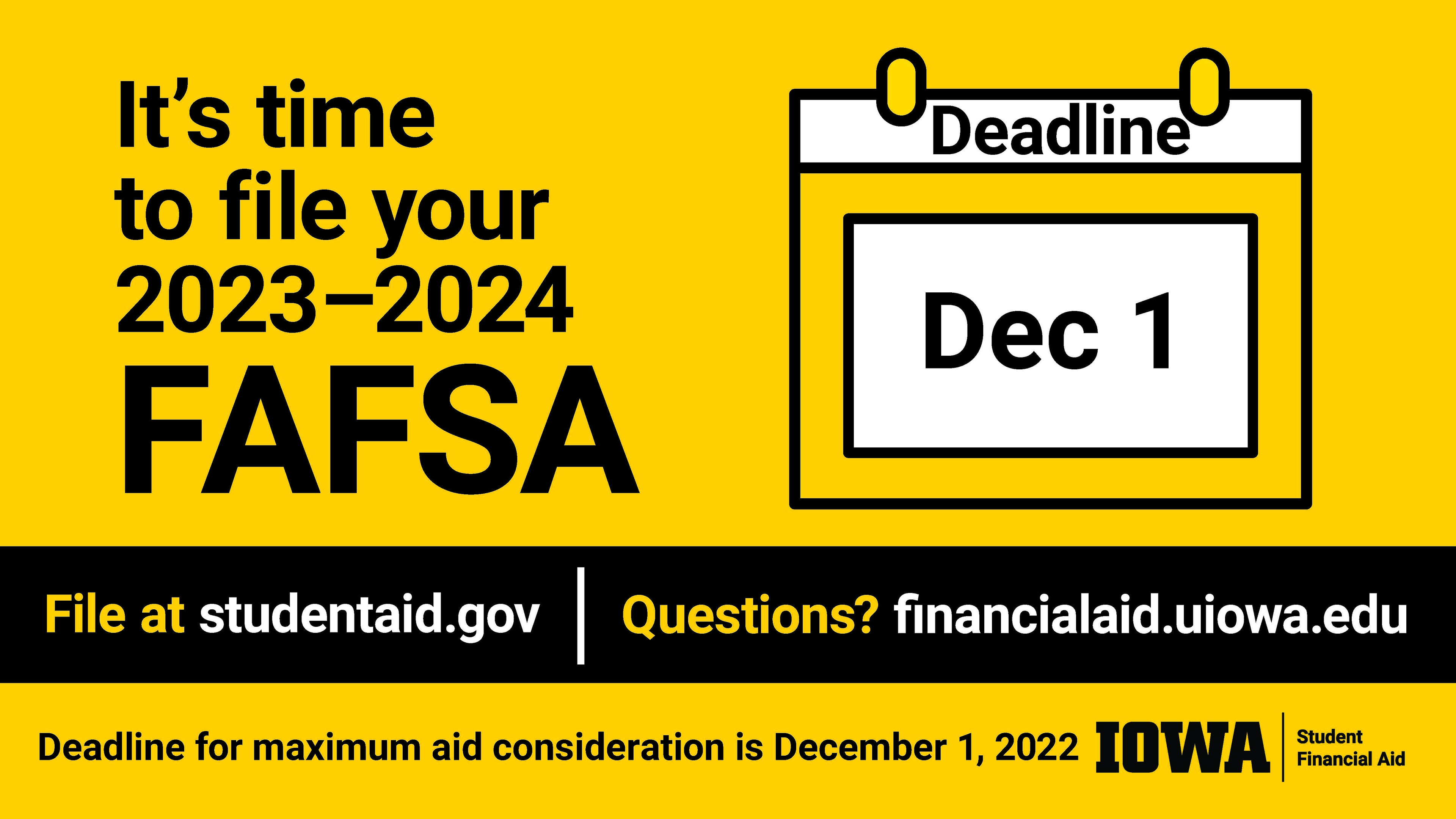
The FAFSA for the 2025-2025 academic year will open on October 1, 2025. The deadline for submitting your FAFSA for priority consideration for federal aid is February 15, 2025. However, some states and colleges have earlier deadlines, so it is important to check with them to determine their specific requirements.
The FAFSA for the 2025-2025 academic year will open on October 1, 2025. Here are 7 important points to keep in mind:

By following these tips, you can ensure that your FAFSA is submitted on time and that you receive the maximum amount of financial aid for which you are eligible.

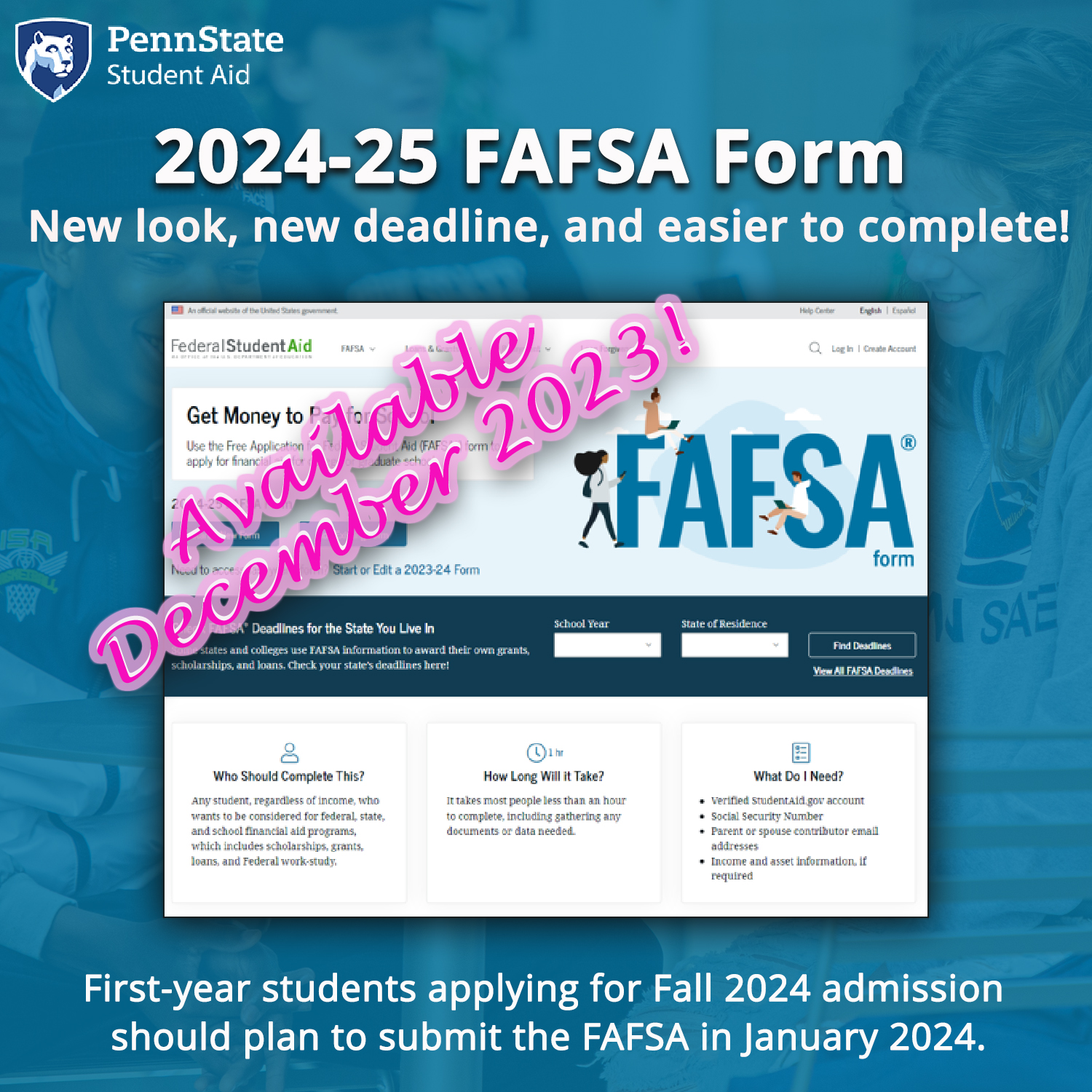
The FAFSA for the 2025-2025 academic year will open on October 1, 2025. This is the first day that you can submit your FAFSA to the U.S. Department of Education. It is important to note that the FAFSA is not available before October 1st, so do not attempt to submit your FAFSA before this date.
You can submit your FAFSA online at the Federal Student Aid website or by mail. If you choose to submit your FAFSA by mail, you can download the FAFSA form from the Federal Student Aid website or request a paper copy from your high school or college counselor.
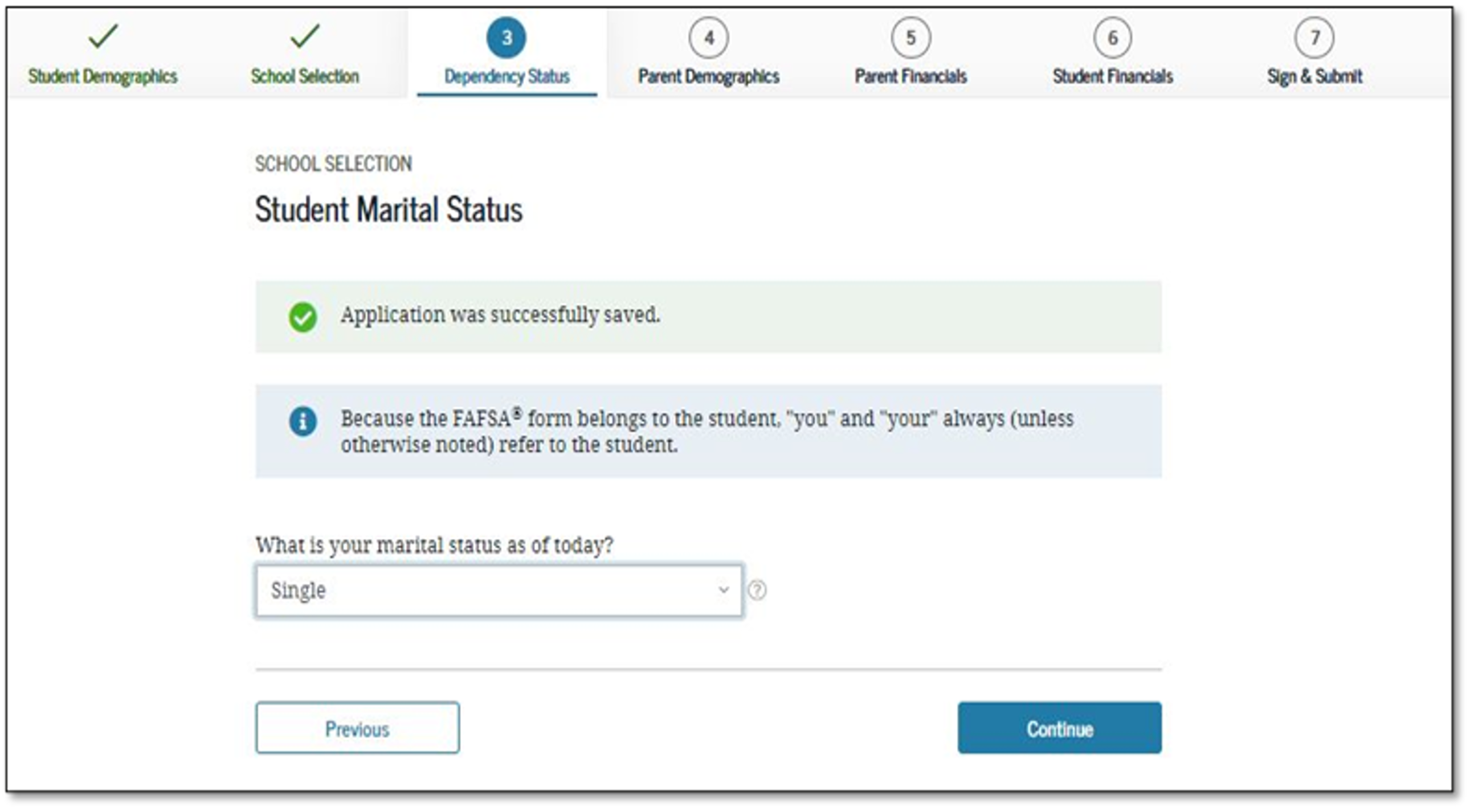
Before you start filling out your FAFSA, you will need to gather your financial information, including your Social Security number, driver’s license number (if you have one), and your parents’ financial information if you are a dependent student. You will also need to have your tax information from the previous year.
If you have filed your taxes electronically, you can use the IRS Data Retrieval Tool to automatically transfer your tax information into your FAFSA. This is a quick and easy way to ensure that your FAFSA is accurate and complete.
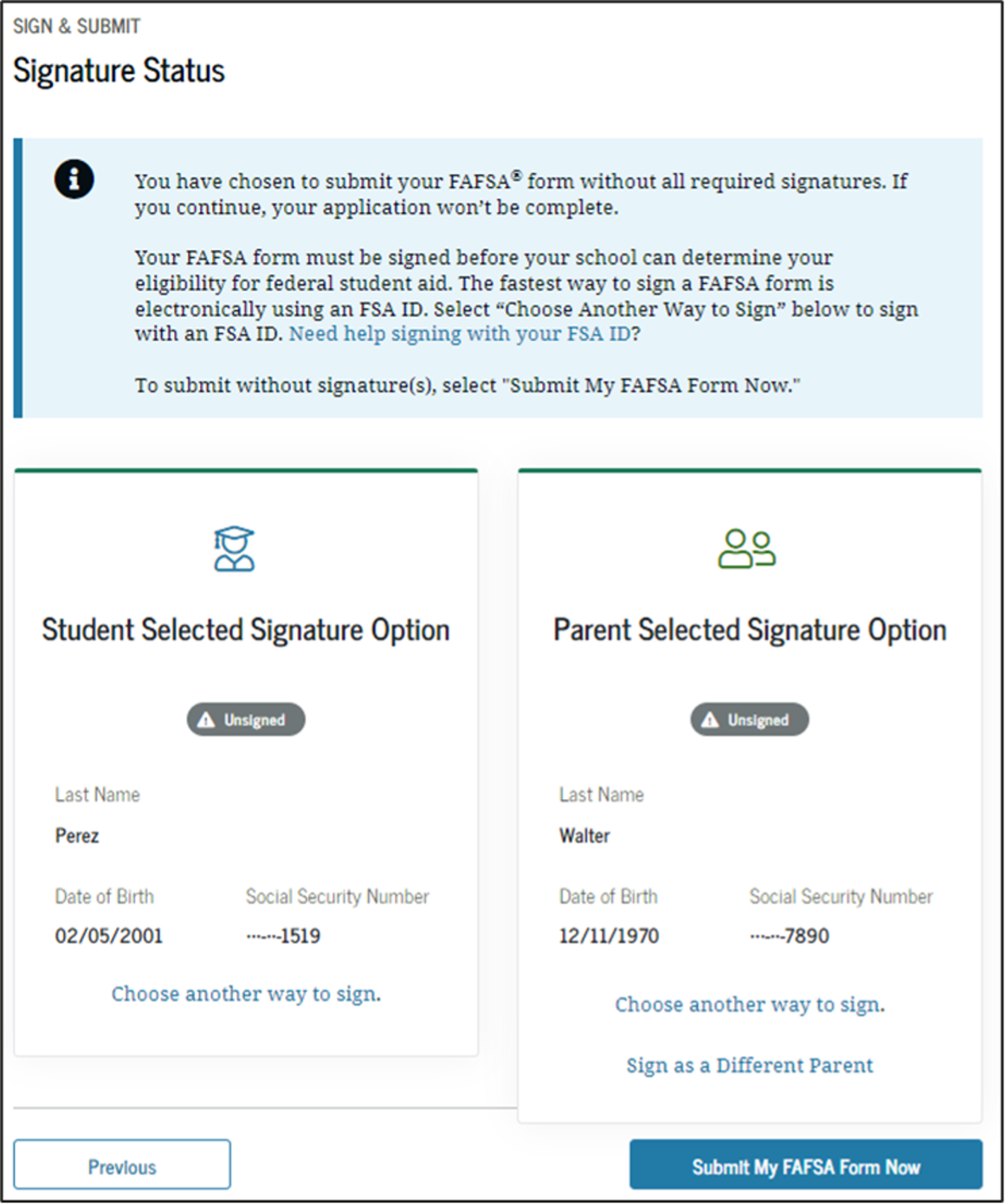
Once you have completed your FAFSA, you will need to sign and submit it. You can sign your FAFSA electronically using your FSA ID or by mailing a paper signature page to the U.S. Department of Education.
By following these steps, you can ensure that your FAFSA is submitted on time and that you receive the maximum amount of financial aid for which you are eligible.
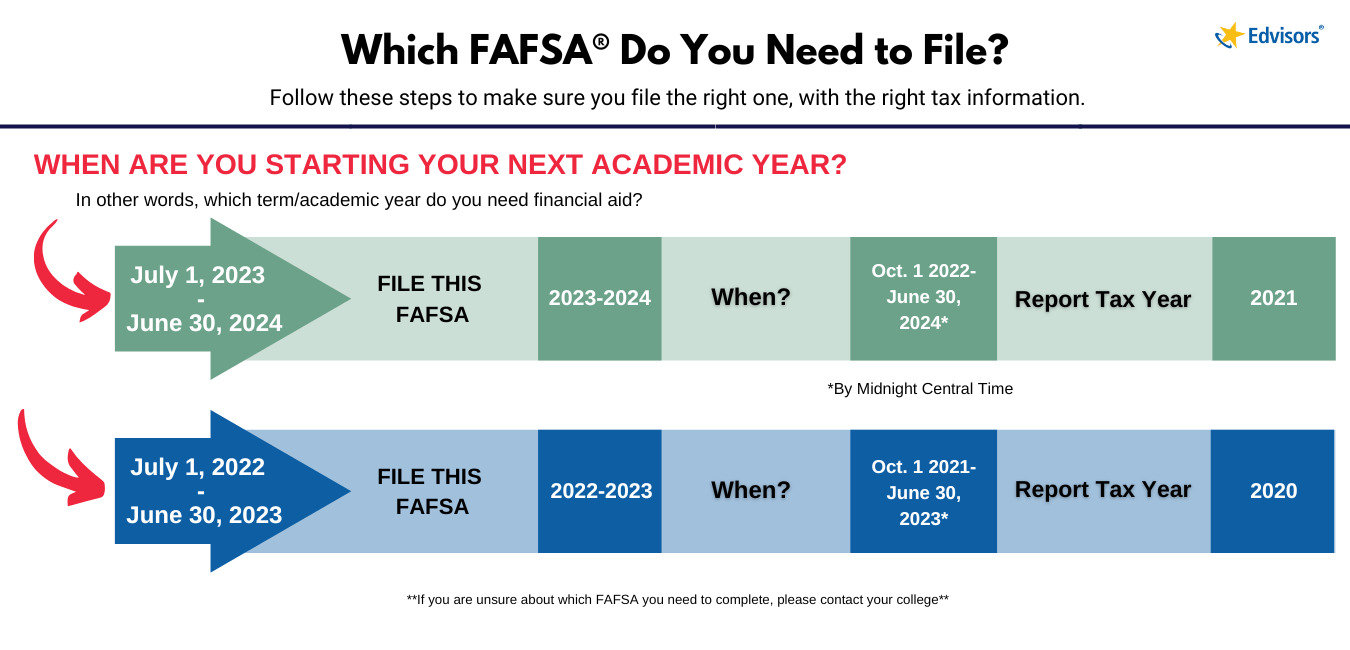
The federal deadline to submit your FAFSA for the 2025-2025 academic year is February 15, 2025. This is the last day that you can submit your FAFSA to be considered for federal financial aid, such as Pell Grants, Stafford Loans, and PLUS Loans.
It is important to note that the February 15th deadline is a federal deadline. Some states and colleges have earlier deadlines, so it is important to check with them to determine their specific requirements.

If you miss the federal deadline, you may still be able to submit your FAFSA, but you may not be eligible for all types of federal financial aid. Additionally, you may miss out on state and college financial aid deadlines.
Therefore, it is important to submit your FAFSA on time to meet all deadlines and receive the maximum amount of financial aid for which you are eligible.
By following these tips, you can ensure that your FAFSA is submitted on time and that you receive the maximum amount of financial aid for which you are eligible.
In addition to the federal deadline, many states have their own deadlines for submitting the FAFSA. These deadlines vary from state to state, so it is important to check with your state’s financial aid agency to determine the specific deadline for your state.
State deadlines are important because they determine when you are eligible for state financial aid. If you miss your state’s deadline, you may not be eligible for state grants, scholarships, or other forms of financial aid.
You can find out your state’s FAFSA deadline by visiting the Federal Student Aid website or by contacting your state’s financial aid agency.
If you miss your state’s FAFSA deadline, you should still submit your FAFSA as soon as possible. You may still be eligible for federal financial aid, and you may also be eligible for state financial aid if your state has a late deadline.
By following these tips, you can ensure that your FAFSA is submitted on time and that you receive the maximum amount of financial aid for which you are eligible.
Many colleges and universities have priority deadlines for financial aid. This means that if you submit your FAFSA by the priority deadline, you will be considered for all types of financial aid, including grants, scholarships, and loans.
Filing early for priority aid gives you the best chance of receiving the maximum amount of financial aid for which you are eligible. Many colleges and universities have limited funds for financial aid, so the earlier you submit your FAFSA, the more likely you are to receive aid.
The priority deadline for financial aid varies from college to college. You can find the priority deadline for your college or university by visiting the school’s website or by contacting the financial aid office.
If you miss the priority deadline, you should still submit your FAFSA as soon as possible. You may still be eligible for some types of financial aid, but you may not receive as much aid as you would have if you had filed early.
By following these tips, you can ensure that your FAFSA is submitted on time and that you receive the maximum amount of financial aid for which you are eligible.
The IRS Data Retrieval Tool is a free and secure way to transfer your tax information directly from the IRS into your FAFSA. Using the IRS Data Retrieval Tool can save you time and effort, and it can help to ensure that your FAFSA is accurate and complete.
The IRS Data Retrieval Tool works by securely transferring your tax information from the IRS directly into your FAFSA. This eliminates the need for you to manually enter your tax information, which can reduce the risk of errors.
The IRS Data Retrieval Tool transfers the following information from your tax return into your FAFSA:
To use the IRS Data Retrieval Tool, you will need to have your FSA ID and your tax return information. You can access the IRS Data Retrieval Tool on the FAFSA website.
If you are eligible to use the IRS Data Retrieval Tool, I highly recommend that you do so. It is a quick and easy way to ensure that your FAFSA is accurate and complete.
Once you have completed your FAFSA, you will need to sign and submit it. You can sign your FAFSA electronically using your FSA ID or by mailing a paper signature page to the U.S. Department of Education.
Signing your FAFSA electronically is the quickest and easiest way to submit your FAFSA. To sign your FAFSA electronically, you will need to create an FSA ID. You can create an FSA ID on the Federal Student Aid website.
Once you have signed and submitted your FAFSA electronically, you will receive a confirmation email. You can also track the status of your FAFSA on the Federal Student Aid website.
If you prefer, you can also mail a paper signature page to the U.S. Department of Education. To do this, you will need to print out the signature page from the FAFSA website and mail it to the following address:
It is important to note that mailing your signature page may delay the processing of your FAFSA. Therefore, I recommend that you sign and submit your FAFSA electronically if possible.
Once you have submitted your FAFSA, it is important to keep a copy for your records. This will be helpful if you need to make any changes to your FAFSA or if you need to provide proof of your FAFSA submission.
I recommend that you keep a copy of your FAFSA in a safe place where you can easily access it if needed.
I recommend that you keep a copy of your FAFSA for at least one year after you have submitted it. This will give you plenty of time to make any necessary changes or to provide proof of your FAFSA submission.
By keeping a copy of your FAFSA, you can ensure that you have the information you need to make any necessary changes or to provide proof of your FAFSA submission.
Question 1: When does the FAFSA open for fall 2025?
Answer: The FAFSA for the 2025-2025 academic year will open on October 1, 2025.
Question 2: When is the federal deadline to submit the FAFSA for fall 2025?
Answer: The federal deadline to submit the FAFSA for the 2025-2025 academic year is February 15, 2025.
Question 3: Do all states have the same FAFSA deadline?
Answer: No, some states have earlier FAFSA deadlines than the federal deadline. Check with your state’s financial aid agency to determine your state’s specific deadline.
Question 4: What happens if I miss the FAFSA deadline?
Answer: If you miss the FAFSA deadline, you may still be able to submit your FAFSA, but you may not be eligible for all types of financial aid. Additionally, you may miss out on state and college financial aid deadlines.
Question 5: How can I file early for priority aid?
Answer: Many colleges and universities have priority deadlines for financial aid. To file early for priority aid, start working on your FAFSA as soon as possible after October 1st. Gather your financial information in advance, use the IRS Data Retrieval Tool to automatically transfer your tax information into your FAFSA, and sign and submit your FAFSA electronically.
Question 6: What is the IRS Data Retrieval Tool and how can I use it?
Answer: The IRS Data Retrieval Tool is a free and secure way to transfer your tax information directly from the IRS into your FAFSA. To use the IRS Data Retrieval Tool, you will need to have your FSA ID and your tax return information. You can access the IRS Data Retrieval Tool on the FAFSA website.
Question 7: How can I keep a copy of my FAFSA?
Answer: There are several ways to keep a copy of your FAFSA, including printing out a copy of your FAFSA confirmation email, printing out a copy of your signed and submitted FAFSA, or saving a copy of your FAFSA to your computer.
I hope these FAQs have been helpful. If you have any other questions about the FAFSA deadline for fall 2025, please contact your state’s financial aid agency or the Federal Student Aid Information Center.
In addition to the information provided in the FAQs, here are some additional tips for meeting the FAFSA deadline and receiving the maximum amount of financial aid for which you are eligible:
Here are some tips for meeting the FAFSA deadline for fall 2025 and receiving the maximum amount of financial aid for which you are eligible:
Tip 1: Start working on your FAFSA early.
The FAFSA opens on October 1st, so you should start working on your FAFSA as soon as possible. This will give you plenty of time to gather your financial information, complete your FAFSA accurately, and submit it by the deadline.
Tip 2: Gather your financial information in advance.
Before you start filling out your FAFSA, you will need to gather your financial information, including your Social Security number, driver’s license number (if you have one), and your parents’ financial information if you are a dependent student. You will also need to have your tax information from the previous year.
Tip 3: Use the IRS Data Retrieval Tool.
If you have filed your taxes electronically, you can use the IRS Data Retrieval Tool to automatically transfer your tax information into your FAFSA. This is a quick and easy way to ensure that your FAFSA is accurate and complete.
Tip 4: Sign and submit your FAFSA electronically.
Once you have completed your FAFSA, you will need to sign and submit it. The quickest and easiest way to do this is to sign your FAFSA electronically using your FSA ID. You can create an FSA ID on the Federal Student Aid website.
By following these tips, you can ensure that your FAFSA is submitted on time and that you receive the maximum amount of financial aid for which you are eligible.
I hope this article has been helpful. If you have any other questions about the FAFSA deadline for fall 2025, please contact your state’s financial aid agency or the Federal Student Aid Information Center.
The FAFSA deadline for fall 2025 is February 15, 2025. However, many states have earlier deadlines, so it is important to check with your state’s financial aid agency to determine your state’s specific deadline.
It is important to submit your FAFSA on time to meet all deadlines and receive the maximum amount of financial aid for which you are eligible. To ensure that your FAFSA is submitted on time, follow these tips:
By following these tips, you can ensure that you receive the financial aid you need to pursue your education.
I hope this article has been helpful. If you have any other questions about the FAFSA deadline for fall 2025, please contact your state’s financial aid agency or the Federal Student Aid Information Center.